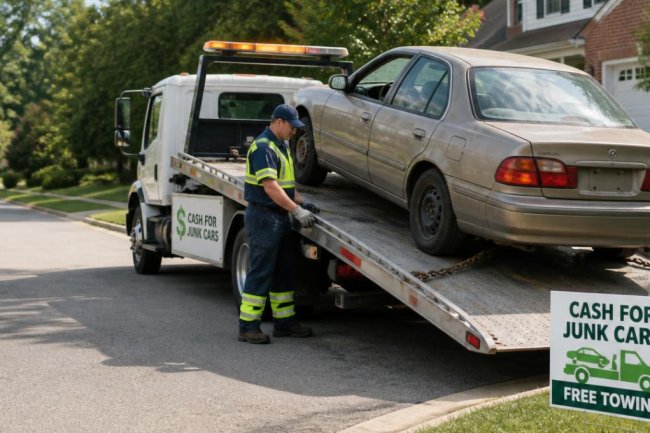
How Much Is Your Junk Car Worth? 5 Factors That Boost Its Value
Wondering how much your junk car is worth? Learn the 5 key factors that affect junk car value, from vehicle condition and parts to weight and scrap demand.
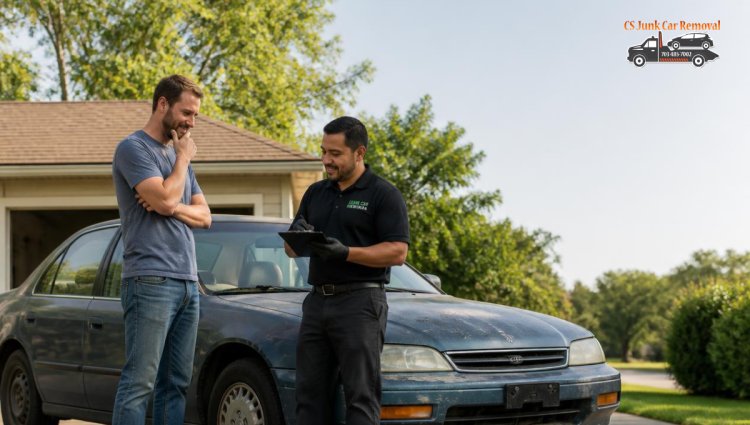
Think your old car is worthless? You might be leaving easy cash on the table.
That old car sitting in your driveway may look like nothing more than a problem. Maybe it has not started in years, the body is damaged, or the repair bill is simply more than the vehicle is worth. But before you decide it belongs in the scrap pile, it is worth finding out what it could actually be worth.
The truth is, a junk car does not have one fixed price. Its value depends on several details, including the vehicle’s make and model, condition, weight, usable parts, and current demand for scrap metal and automotive components.
If you are wondering about your junk car value, understanding these factors can help you know what to expect and put you in a better position when requesting an offer.
Here are five of the biggest factors that can affect how much your old vehicle is worth.
1. Your Car’s Make, Model, and Year
Not every vehicle has the same value when it reaches the end of its life.
The make, model, and year can have a significant impact on the price because some vehicles have parts that are more desirable or easier to resell. A popular model may still have valuable engines, transmissions, catalytic converters, wheels, electronics, or body components even when the car itself is no longer roadworthy.
Older does not automatically mean worthless, either.
A vehicle that has been sitting for years may still contain parts that other drivers need. In some cases, a car that cannot pass inspection or is too expensive to repair can still provide useful components.
When asking, “How much is my junk car worth?”, have your vehicle identification number, make, model, year, and basic condition ready. Providing accurate information makes it easier for a buyer to understand what you have.
2. The Condition of the Vehicle
Condition is another major part of determining junk car value.
A vehicle with a blown engine, severe accident damage, missing wheels, or extensive rust may be worth less than a similar vehicle that still has several usable components. However, even a badly damaged car can have value.
For example, a vehicle that does not run may still have a usable transmission, doors, windows, seats, wheels, electronics, or other components. A damaged exterior does not necessarily mean every part of the vehicle is useless.
Be honest about the condition when requesting an estimate. Let the buyer know if the car runs, whether it has keys, whether major parts are missing, and whether there is accident or fire damage.
CS Junk Car Removal notes that it buys old, unwanted, burned, and broken vehicles, including cars that do not run or do not have keys.
That means you should not automatically assume your vehicle has no value just because it cannot be driven.
3. The Weight and Scrap Metal Content
When a car is beyond practical repair, its scrap value becomes an important part of the equation.
Vehicles contain substantial amounts of steel, aluminum, and other recyclable materials. Generally, a heavier vehicle contains more metal, which can contribute to its value as scrap.
However, weight alone does not determine the final offer.
Scrap prices can change based on market conditions, and the actual amount of recoverable material varies from one vehicle to another. The presence of valuable components can also make a difference.
This is why two cars that look similarly worn out may receive different offers.
If you are researching junk car value, remember that a junk car is more than just a pile of metal. Its overall value can come from a combination of recyclable materials and reusable components.
4. Valuable and Usable Parts
One of the biggest reasons a junk car can still be worth money is its parts.
Even if the vehicle is no longer safe or economical to drive, individual components may still have useful value. Engines, transmissions, wheels, alternators, starters, doors, mirrors, seats, and electronics are examples of parts that may be reusable depending on the vehicle and their condition.
This is especially important if your car has been involved in an accident but still has undamaged components.
For instance, the front end may be badly damaged while the transmission and interior remain in good condition. Another vehicle might have a failed engine but several valuable body and mechanical parts.
A professional buyer can look at the vehicle as a whole rather than judging it only by whether it starts.
That is one reason it is smart to get an actual quote instead of guessing that your vehicle is worth nothing.
5. Current Scrap and Vehicle Demand
Another factor people often overlook is market demand.
The value of scrap metal, demand for certain replacement parts, and the market for used vehicles can change over time. Because of this, the amount you could receive for a junk car today may not be exactly the same as it would have been several months ago.
Demand can also vary depending on the vehicle itself. A model with commonly needed parts may attract more interest than one with limited demand.
This is why there is no universal price list that accurately tells every vehicle owner exactly what their car is worth.
If you want the most realistic estimate, provide accurate information about your car and request a current offer.
How Can You Get the Most From Your Junk Car?
You do not necessarily need to spend money repairing an old car just to make it more valuable.
In fact, putting hundreds or thousands of dollars into a vehicle that is already at the end of its useful life may not make financial sense. Instead, focus on making the selling process straightforward.
Start by gathering the basic vehicle information and checking your paperwork. Remove personal belongings from the car and make sure you know whether you have the keys and title or other required documentation.
Then contact a reputable junk car removal company for a quote.
It is also worth asking about towing costs. A seemingly attractive offer can become less appealing if you have to pay a large amount to transport a non-running vehicle yourself.
CS Junk Car Removal advertises fast, free towing and cash offers for unwanted vehicles, helping make the process easier for owners who do not want to arrange separate transportation.
Is a Non-Running Car Still Worth Anything?
Absolutely.
A car does not have to start, drive, or look good to have value. Its parts and recyclable materials may still be useful. In fact, vehicles that have been sitting unused often become candidates for junk car removal precisely because repairing them no longer makes financial sense.
The important thing is not to judge your vehicle only by its appearance.
A car with a dead battery, failed engine, damaged body, or long-term mechanical problem may still have enough value to make selling it worthwhile.
Final Thoughts
So, how much is a junk car worth?
There is no single answer because every vehicle is different. The make and model, overall condition, weight, usable parts, and current market demand can all influence its value.
The biggest mistake is assuming that an old or damaged car is automatically worthless.
If your vehicle has been taking up driveway space, sitting behind your home, or collecting dust in a garage, getting a current quote can give you a much clearer picture of its junk car value.
Instead of spending money on repairs that may never pay off, consider finding out what your vehicle is worth as-is. CS Junk Car Removal offers junk car buying and removal services, including free towing, for unwanted and damaged vehicles.
Your old car may have more value than you think. The only way to know for sure is to get an offer.
Frequently Asked Questions
1. How much is a junk car worth?
There is no fixed price for every junk car. The value depends on factors such as the vehicle's make, model, year, condition, weight, usable parts, and current market demand.
2. Can I sell a car that does not run?
Yes. A non-running vehicle can still have value because of its usable parts and recyclable materials. CS Junk Car Removal states that it buys vehicles that are broken, burned, unwanted, or not running.
3. Does a damaged car still have value?
Yes. Even if a car has accident damage, mechanical problems, or significant wear, some components may still be reusable. Its scrap materials can also contribute to its overall value.
4. Should I repair my junk car before selling it?
Usually, you should compare the expected repair cost with the vehicle's potential value first. If repairs are expensive and the car has little resale value, selling it as-is may make more financial sense.
5. Does junk car removal include towing?
Some junk car removal companies offer towing as part of their service. CS Junk Car Removal advertises free towing for junk vehicles, which can help avoid the additional expense of arranging transportation yourself.
https://csjunkcarremoval.com/
703-485-7002
What's Your Reaction?