How to Sell an Old Car That Has Been Sitting for Years
Learn how to sell an old unused car that has been sitting for years. Explore repair costs, car value, paperwork, junk car buyers, and towing options.
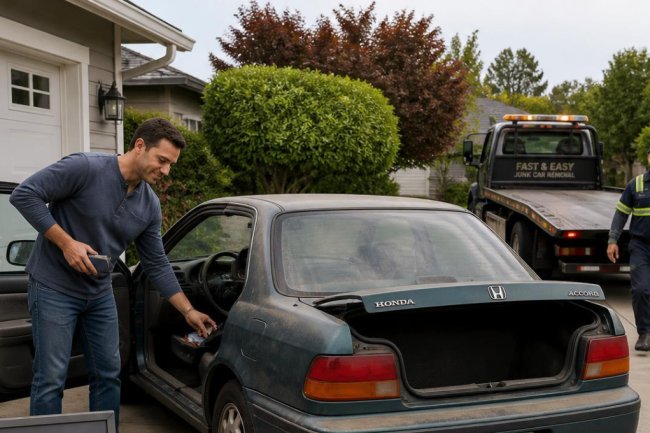
Do you have an old car sitting in your driveway, garage, or backyard that you have not driven in years? Maybe it stopped running, needed expensive repairs, or was simply replaced by a newer vehicle. Whatever the reason, that unused car may still have value.
The good news is that you do not necessarily need to repair an old vehicle, replace its battery, or get it running before selling it. Depending on its condition, you may be able to sell it privately, sell it for parts, or contact a professional junk car buyer.
If you want to sell an old unused car, the key is understanding your options, preparing the necessary information, and choosing a convenient way to complete the sale.
At CS Junk Car Removal, vehicle owners can explore offers for unwanted, damaged, and non-running vehicles. Here is a practical guide to help you decide what to do with a car that has been sitting unused for years.
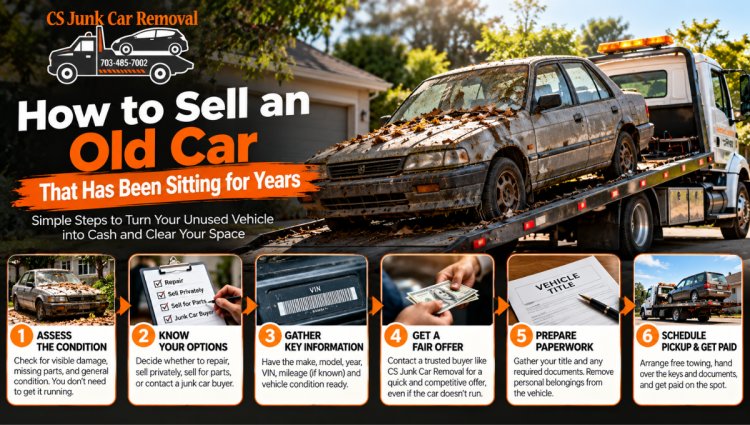
1. Evaluate Your Car's Current Condition
Before deciding how to sell your vehicle, take a moment to assess its condition. A car that has been parked for several years may have developed problems even if it was running when you last drove it.
Common issues include:
-
A dead or deteriorated battery
-
Flat or damaged tires
-
Rust on the body or undercarriage
-
Old or contaminated fluids
-
Fuel system problems
-
Engine or transmission issues
-
Rodent damage to wiring or interior materials
You do not need to perform a full mechanical inspection yourself. Simply note what you know about the vehicle, whether it ran before being parked, and any visible damage.
Important: Avoid attempting to start a vehicle that has been sitting for years without checking its condition. Deteriorated fuel, damaged wiring, low fluids, and other problems may make starting it unsafe or cause further damage.
2. Decide Whether Repairing the Car Is Worth It
One of the biggest questions is whether to repair the vehicle before selling it. The answer depends on the car's age, overall condition, potential resale value, and estimated repair costs.
Get a Repair Estimate
If the vehicle is relatively valuable or may only need minor repairs, ask a qualified mechanic to estimate the cost of making it roadworthy.
Compare the estimated repair cost with the vehicle's likely selling price after repairs. Remember to account for towing, replacement parts, inspection requirements, and any additional work that may be necessary.
Consider Selling It As-Is
If the car requires expensive repairs or has significant damage, selling it in its current condition may be more practical.
A private buyer might purchase it as a restoration project, while a junk car buyer may evaluate it for usable parts and recyclable materials.
Explore what to do with a car that doesn't run to compare the available options.
3. Gather the Information Needed to Sell Your Car
You can make the selling process easier by collecting a few basic details before requesting an offer.
Try to have the following information available:
-
Make and model: Identify the manufacturer and vehicle model.
-
Year: The model year helps buyers evaluate the vehicle.
-
Vehicle Identification Number (VIN): This helps identify the exact vehicle.
-
Mileage: Provide the last known mileage if the odometer cannot be checked.
-
Condition: Explain whether the car runs, has damage, or is missing parts.
-
Location: Share where the vehicle is parked and whether a tow truck can access it.
Be honest about the vehicle's condition. If it has been exposed to weather for years, has accident damage, or no longer has its keys, mention that when requesting a quote.
Having accurate details available can reduce misunderstandings and help the buyer assess the vehicle more efficiently.
4. Choose the Best Way to Sell an Old Unused Car
There is no single selling method that works for every vehicle. The right option depends on how much effort you want to invest and what the car is worth.
Sell It Privately
A private sale may make sense if the vehicle is desirable, repairable, or suitable for a restoration project. However, you may need to create advertisements, answer inquiries, negotiate with buyers, and coordinate inspections.
If the vehicle cannot move under its own power, you will also need to agree on how it will be transported.
Sell It for Parts
Some older vehicles contain components that are still useful. However, dismantling and selling individual parts can require tools, storage space, mechanical knowledge, and time.
You should also understand the legal requirements for selling parts and disposing of the remaining vehicle.
Contact a Junk Car Buyer
For an old, damaged, or non-running vehicle, a junk car removal service can offer a more convenient alternative.
CS Junk Car Removal buys vehicles in a range of conditions and advertises free towing for eligible vehicles. This can help you avoid paying separately to transport a car that has been sitting unused.
Read how to sell your junk car for cash for more information about the process.
5. Understand What Determines Your Car's Value
Even if a car has not moved in years, it may still be worth something. However, its value depends on several factors.
Vehicle make, model, and year: Some vehicles have greater demand for replacement parts than others.
Condition: Working components, body damage, rust, and missing parts can influence an offer.
Parts demand: An older vehicle may contain components that are difficult to find or useful for repairing similar models.
Scrap metal value: If the vehicle is not suitable for repair or parts recovery, its recyclable materials may contribute to its value.
Pickup requirements: Accessibility and transportation arrangements can affect the logistics of removal.
Avoid assuming that every old car will receive the same price. Request an offer based on your specific vehicle, and confirm whether towing or other charges apply before accepting.
You can also review how to sell a junk car in Manassas for top dollar for additional tips on evaluating your options.
6. Prepare Your Paperwork Before Pickup
Before completing the sale, find your vehicle title and any other ownership documents you have available.
In Virginia, title and ownership-transfer requirements depend on the circumstances of the transaction. Contact the Virginia Department of Motor Vehicles if you need guidance about missing titles, duplicate-title procedures, or the correct transfer process.
If you cannot locate your title, do not assume you can automatically sell the car without it. Ask the buyer what documents are required and verify that the transaction can be completed legally.
Before pickup, remember to:
-
Remove personal belongings and important documents.
-
Remove personal items from the trunk and glove compartment.
-
Take out toll transponders and parking permits.
-
Confirm the agreed price and payment method.
-
Clarify the pickup arrangements and any required signatures.
-
Follow applicable instructions for license plates and registration.
For more guidance about the removal process, visit CS Junk Car Removal's hassle-free junk car removal guide.
7. Arrange Pickup and Complete the Sale
Once you accept an offer, confirm the pickup date, vehicle location, and payment arrangements.
If the car has been sitting in a narrow driveway, behind a garage, or in an area with limited access, explain the situation before the towing team arrives. Let the buyer know if the vehicle has missing wheels, is difficult to reach, or cannot be moved normally.
With CS Junk Car Removal, you can request a quote and discuss free towing for your eligible vehicle. Confirm the details directly with the company before scheduling.
After the vehicle is collected, retain any sale or transfer documentation and complete any required notification to the relevant motor vehicle authority.
If you are curious about the next stage, read what happens to your car after junk car removal to learn how vehicles may be evaluated, dismantled, and recycled.
Frequently Asked Questions
1. Can I sell a car that has been sitting for five or ten years?
Yes, it may be possible. The available options depend on the vehicle's condition, ownership documents, and local requirements. A junk car buyer may consider a vehicle even if it no longer runs.
2. Do I need to get my old car running before selling it?
No. Many junk car buyers accept non-running vehicles. Describe the car's condition accurately when requesting an offer, and confirm that the buyer can arrange suitable towing.
3. Is an old car worth anything if it does not start?
It may be. Usable parts, vehicle demand, and recyclable metal can contribute to its value. The amount offered depends on the individual vehicle and current market conditions.
4. Can I sell my old car without a title in Virginia?
The requirements depend on your circumstances and the type of transaction. Contact the Virginia DMV and ask the buyer which documents are required before arranging the sale. Do not assume that a missing title can always be bypassed.
5. Does CS Junk Car Removal offer free towing?
CS Junk Car Removal advertises free towing for eligible vehicles. Contact the company to confirm your vehicle's eligibility, the offer, and the pickup arrangements before accepting.
Turn Your Unused Car Into an Opportunity
A car that has been sitting unused for years does not have to remain a permanent fixture in your driveway. Whether it needs expensive repairs, has significant damage, or simply is no longer needed, you have options.
If you want to sell an old unused car without spending more money trying to make it roadworthy, CS Junk Car Removal can help you explore a convenient removal option.
Contact CS Junk Car Removal today to request a quote and discuss pickup for your unwanted vehicle.
CS Junk Car Removal
-
Phone: 703-485-7002
-
Email: Csjunkcarremoval@gmail.com
-
Address: 9151 Liberia Ave, Manassas, VA 20110
-
Website: https://csjunkcarremoval.com/
Get in touch to find out what your old vehicle may be worth and how to arrange its removal.
What's Your Reaction?